



16,13€
En stock
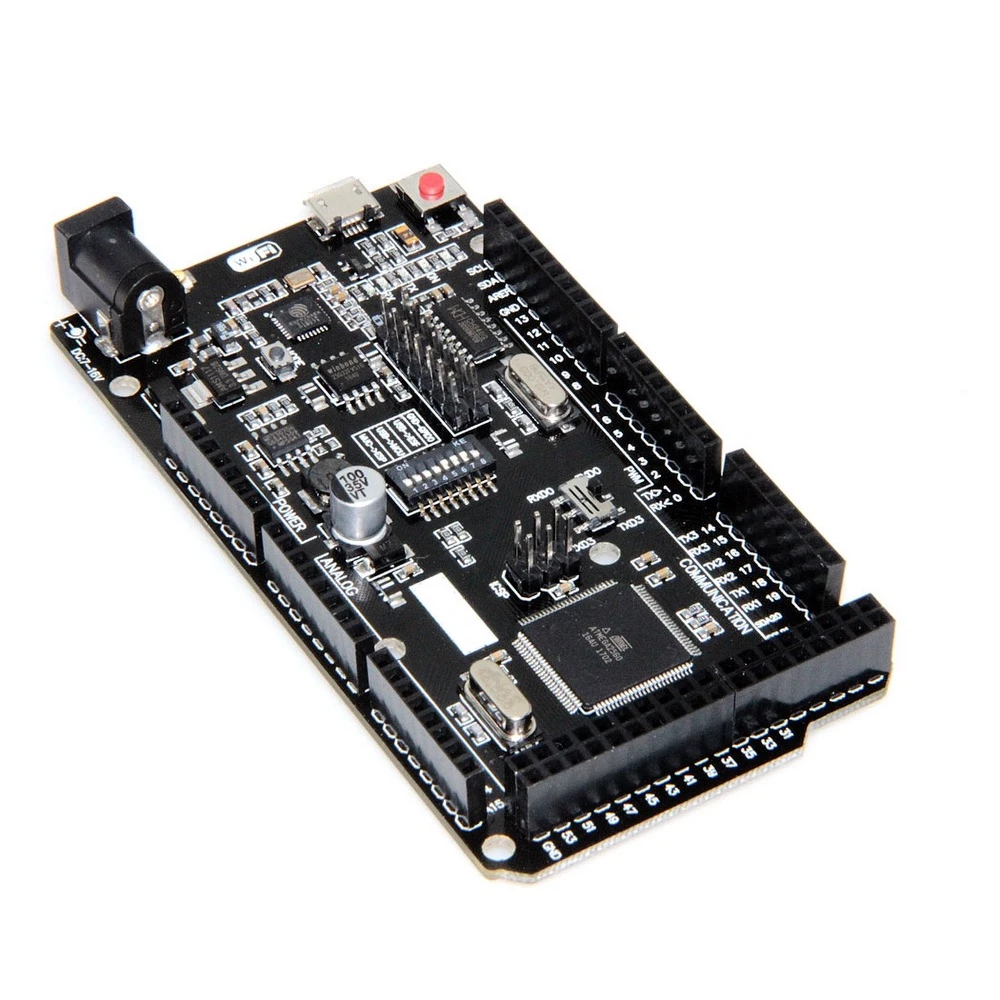
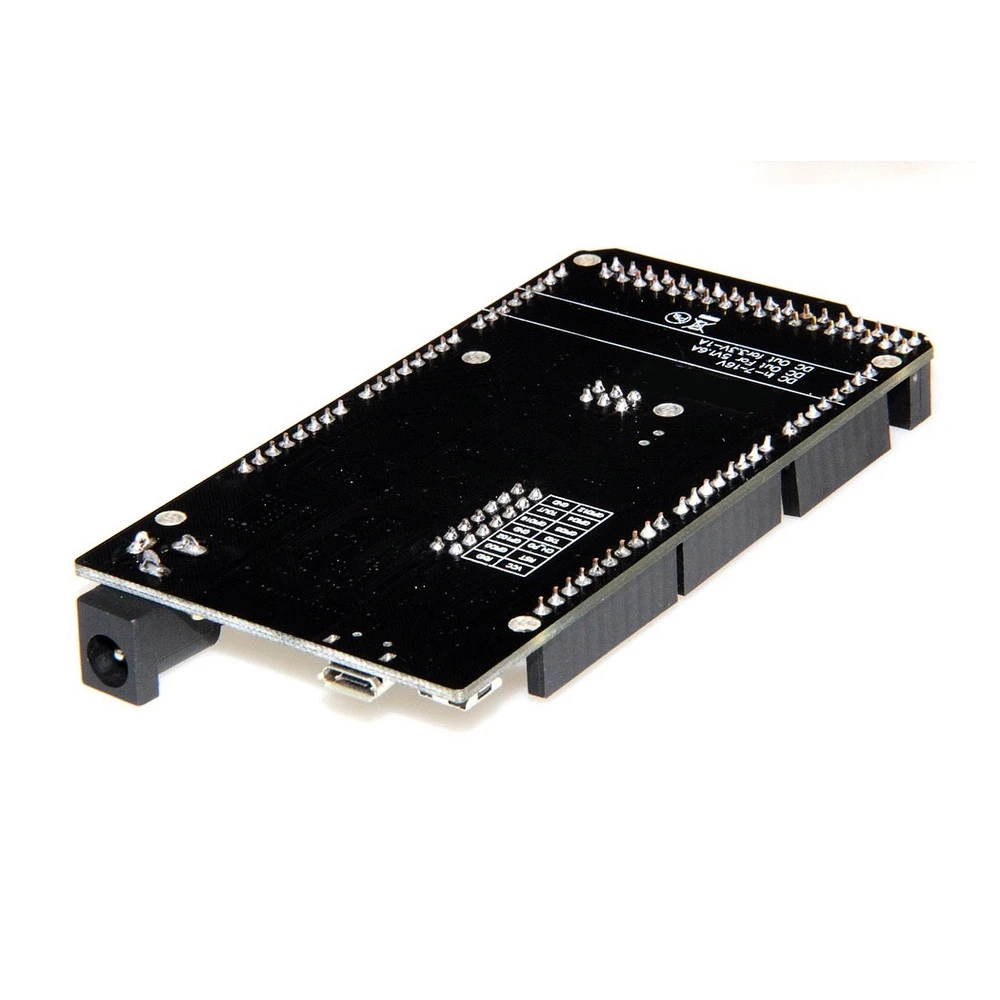
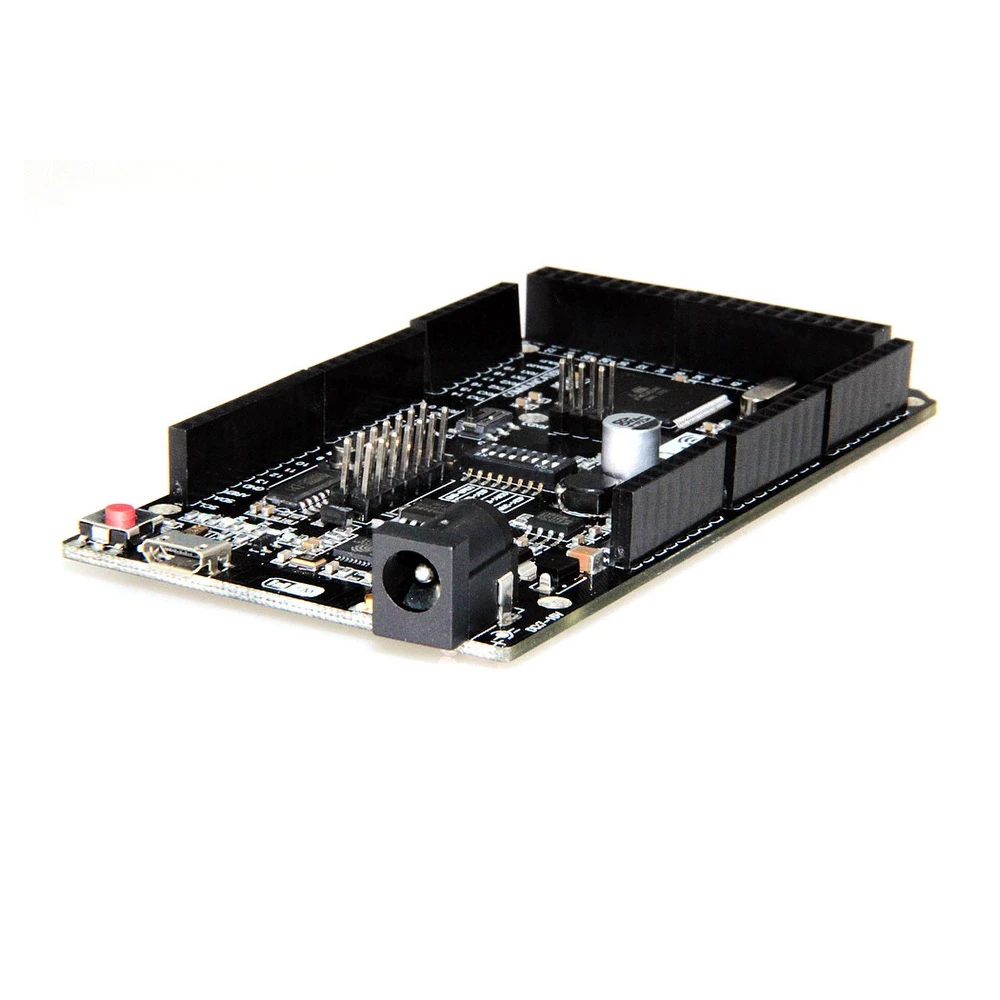
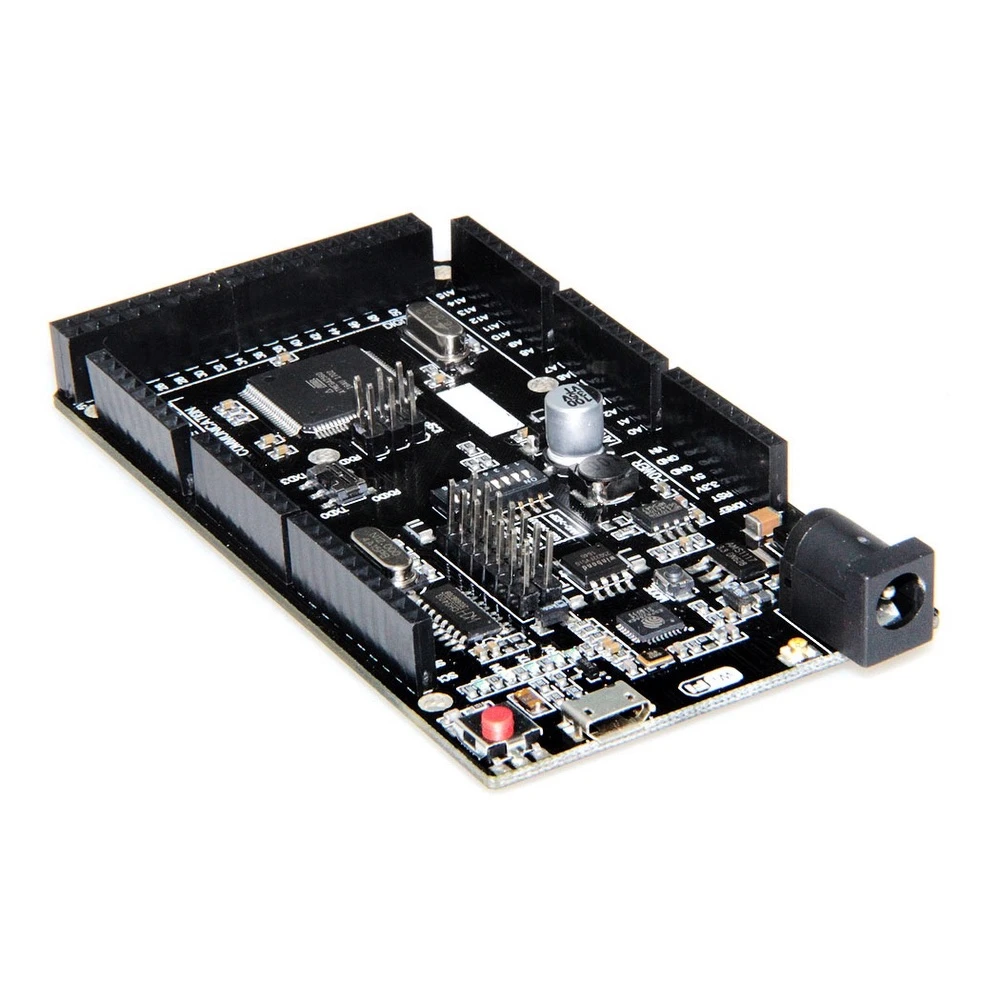
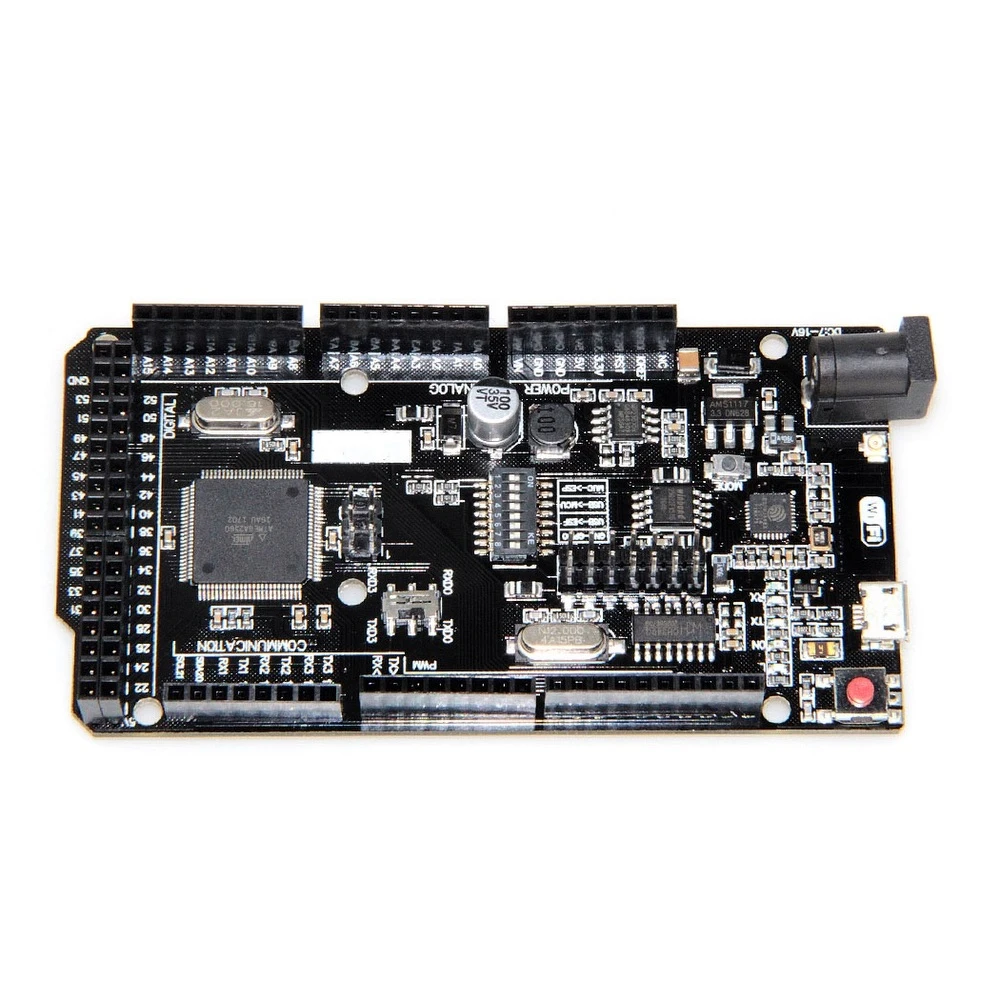
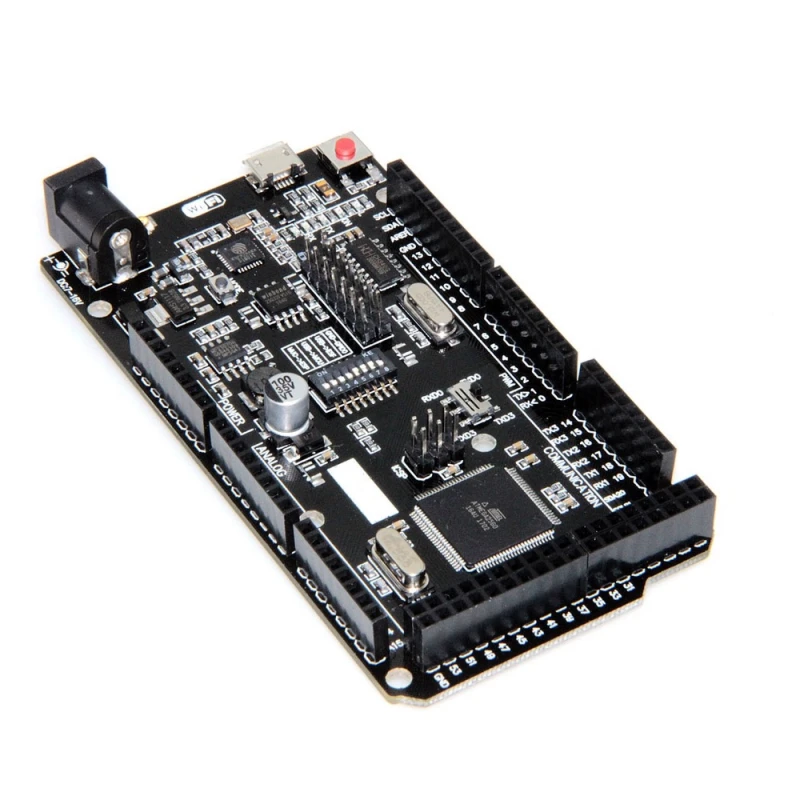
Arduino Mega WiFi R3 ATmega2560 ESP8266 módulo compatible con memoria 32Mb
Marca: satkit
16,13€
IVA incluido (Sin IVA: 13,33€)
Stock limitado
Entrega estándar
Mié, Abr 22 - Vie, Abr 24
Entrega exprés
Lun, Abr 20 - Mar, Abr 21
Devoluciones en 30 días
Devoluciones gratuitas en 30 días
Transacción segura






Share:
Envío gratis
En pedidos superiores a 60€
Devoluciones fáciles
Política de devolución de 30 días
Pago seguro
Proceso de pago 100% seguro
Garantía de calidad
Solo productos originales
El Arduino Mega WiFi R3 ATmega2560 ESP8266 módulo compatible es una placa de desarrollo que combina la potencia del microcontrolador ATmega2560 con la conectividad WiFi del módulo ESP8266, ambos integrados en un solo dispositivo con 32Mb de memoria. Esta integración facilita la creación de proyectos que requieren tanto capacidad de procesamiento como conexión inalámbrica.
Características principales:
- Microcontrolador ATmega2560 Mega R3 para un alto rendimiento en procesamiento.
- Módulo WiFi ESP8266 con memoria de 32Mb para conectividad inalámbrica eficiente.
- Funcionamiento de los módulos juntos o por separado, cada uno con su propio pinout para mayor flexibilidad.
- Actualización de bocetos y firmware vía USB gracias al convertidor USB-serie CH340G incorporado.
- Interruptor DIP que permite conectar los módulos en diferentes combinaciones: USB y ATmega2560, USB y ESP8266, o ATmega2560 y ESP8266.
- Uso sencillo y práctico para desarrolladores y aficionados a la electrónica.
Especificaciones técnicas:
- Microcontrolador: ATmega2560 Mega R3.
- Módulo WiFi: ESP8266 con 32Mb de memoria.
- Convertidor USB-serie: CH340G integrado para programación y actualización.
- Conectividad: USB para programación y comunicación con ambos módulos.
- Interruptor DIP para selección de módulos activos.
Usos típicos:
- Desarrollo de proyectos IoT que requieren conectividad WiFi y procesamiento avanzado.
- Prototipado rápido de sistemas embebidos con comunicación inalámbrica.
- Aplicaciones educativas para aprender programación y electrónica con Arduino y WiFi integrado.
- Integración en sistemas que requieran control remoto y actualización de firmware sencilla.
Compatibilidad:
Compatible con la mayoría de librerías y entornos de desarrollo Arduino. Permite la programación y actualización tanto del ATmega2560 como del módulo ESP8266 a través de USB. Ideal para usuarios que buscan una solución todo en uno para proyectos con WiFi y microcontrolador potente.
Contenido del paquete:
- 1 x Arduino Mega + WiFi R3 ATmega2560 + ESP8266 con memoria de 32Mb.
- Integración de ATmega2560 Mega R3 y módulo WiFi ESP8266 con 32Mb de memoria.
- Módulos pueden funcionar juntos o por separado con pinout independiente.
- Actualización de firmware y bocetos vía USB con convertidor CH340G.
- Interruptor DIP para seleccionar conexiones entre USB, ATmega2560 y ESP8266.
- Ideal para proyectos IoT y desarrollo con WiFi integrado.
Preguntas y respuestas de clientes
Quins són els principals avantatges de tenir ATmega2560 i ESP8266 integrats en una sola placa?
La integració d’ATmega2560 i ESP8266 en un sol PCB permet combinar el gran nombre d’E/S del Mega per a projectes complexos amb la connectivitat WiFi de l’ESP8266, sense cablejats addicionals ni problemes de comunicació entre plaques. Això optimitza l’espai, facilita la programació conjunta i redueix el risc d’incompatibilitat de maquinari.
Quina compatibilitat té amb fonts d’alimentació i per què cal considerar el voltatge/màxima intensitat?
La placa admet alimentació per USB (5 V) o per entrada externa (7–12 V DC recomanats; màxim absolut 20 V). Intensitats elevades (>800 mA) poden sobreescalfar el regulador intern, especialment quan s’utilitza l’ESP8266, que consumeix pics de fins a 400 mA. És important fer servir una font estable i amb marge per evitar reinicis per caigudes de tensió.
Hi ha incompatibilitats freqüents entre l’entorn Arduino IDE i aquest mòdul, en comparació amb una placa Mega o ESP8266 estàndard?
En general és compatible amb l’Arduino IDE per a tots dos xips, però poden aparèixer conflictes si els ports COM no es seleccionen correctament, o si no s’ajusta el DIP switch abans de carregar programes. La instal·lació del driver CH340G és imprescindible en alguns sistemes Windows. La coexistència dels dos xips pot requerir ajustos de la consola sèrie.
What are the main advantages of having ATmega2560 and ESP8266 integrated on a single board?
Integrating the ATmega2560 and ESP8266 on a single PCB combines the Mega’s large number of I/O pins for complex projects with the ESP8266’s WiFi connectivity, without extra wiring or communication issues between boards. This optimises space, simplifies joint programming and reduces the risk of hardware incompatibility.
What power supply compatibility does it have and why is it necessary to consider voltage/maximum current?
The board accepts power via USB (5 V) or external input (7–12 V DC recommended; 20 V absolute maximum). High currents (>800 mA) can overheat the internal regulator, especially when using the ESP8266, which can draw peaks of up to 400 mA. It is important to use a stable power supply with sufficient headroom to avoid resets caused by voltage drops.
Are there common incompatibilities between the Arduino IDE environment and this module, compared with a standard Mega or ESP8266 board?
In general it is compatible with the Arduino IDE for both chips, but conflicts may occur if the COM ports are not selected correctly, or if the DIP switch is not set before uploading programs. Installing the CH340G driver is essential on some Windows systems. The coexistence of both chips may require serial console adjustments.
What are the main advantages of having ATmega2560 and ESP8266 integrated on a single board?
Integrating the ATmega2560 and ESP8266 on a single PCB combines the Mega’s large number of I/O pins for complex projects with the ESP8266’s WiFi connectivity, without extra wiring or communication issues between boards. This optimises space, makes joint programming easier and reduces the risk of hardware incompatibility.
What power supply compatibility does it have and why is it necessary to consider voltage/maximum current?
The board accepts power via USB (5 V) or external input (recommended 7–12 V DC; absolute maximum 20 V). High currents (>800 mA) can overheat the internal regulator, especially when using the ESP8266, which draws peaks of up to 400 mA. It is important to use a stable power supply with headroom to avoid resets caused by voltage drops.
Are there common incompatibilities between the Arduino IDE environment and this module, compared with a standard Mega or ESP8266 board?
In general it is compatible with the Arduino IDE for both chips, but conflicts may arise if the COM ports are not selected correctly, or if the DIP switch is not adjusted before uploading programmes. Installing the CH340G driver is essential on some Windows systems. The coexistence of both chips may require serial console adjustments.
Vilka är de främsta fördelarna med att ha ATmega2560 och ESP8266 integrerade på ett enda kort?
Integrationen av ATmega2560 och ESP8266 på ett enda PCB gör det möjligt att kombinera Megas stora antal I/O för komplexa projekt med ESP8266:s WiFi-anslutning, utan extra kabeldragning eller kommunikationsproblem mellan kort. Detta optimerar utrymmet, förenklar gemensam programmering och minskar risken för hårdvaruinkompatibilitet.
Escribe una opinión de cliente
Los clientes que compraron este artículo también compraron
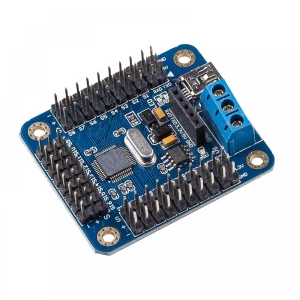
Placa Controladora de Servos 16 Canales Arduino para Proyectos Electrónicos
26,87€
Solo quedan 5 en stock
Tus artículos vistos recientemente
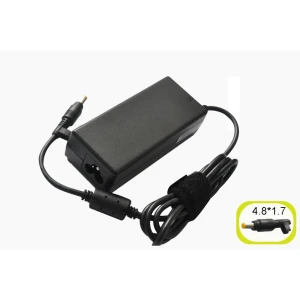
Adaptador corriente HP 65W 18.5V 3.5A PPP009L compatible para portátiles
12,09€
Solo quedan 9 en stock
 Arduino Mega WiFi R3 ATmega2560 ESP8266 módulo compatible con memoria 32Mb
16,13€