


0,18 €
En stock
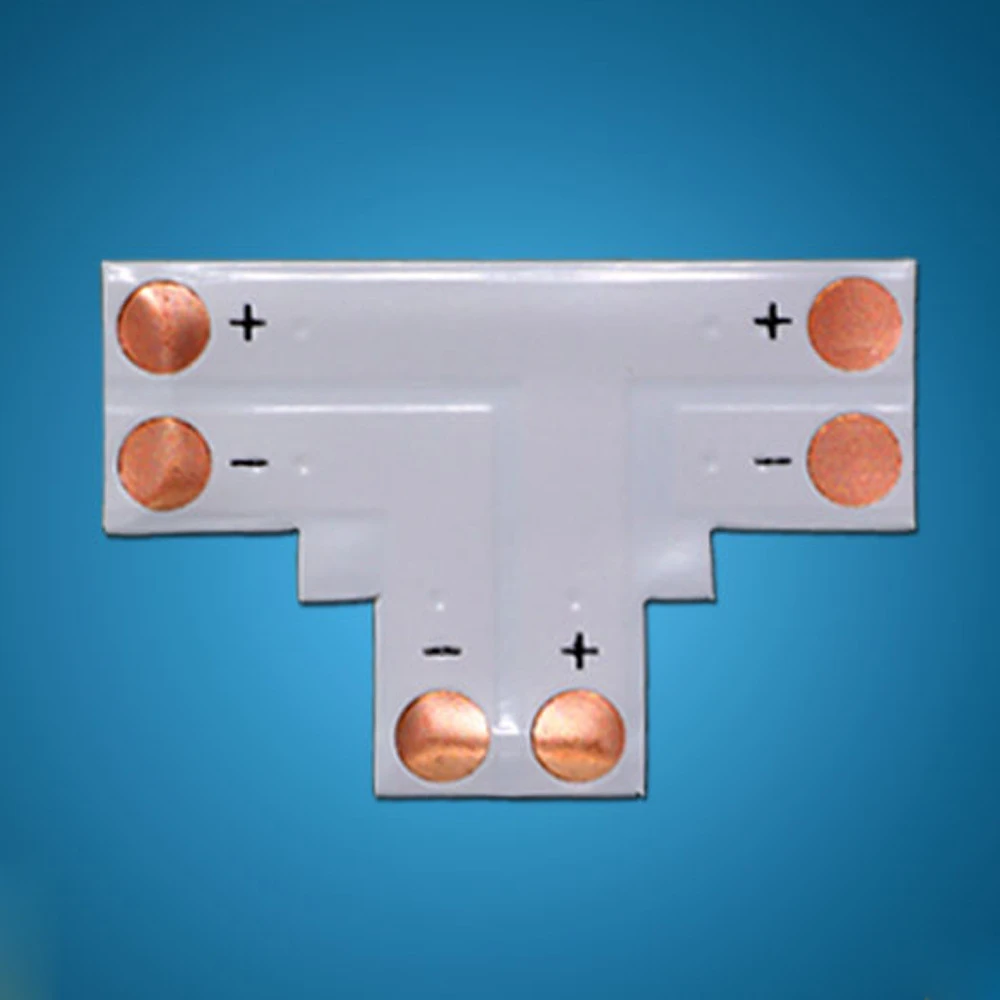

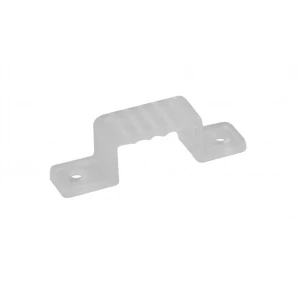
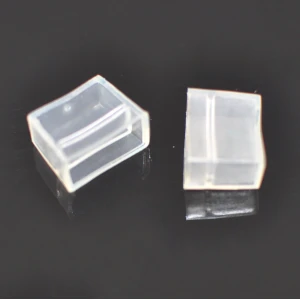
Conector Tipo T 3528 8mm 2 Pin para Tira LED RGB - Adaptador sin Soldadura
Marca: YourLed
0,18€
IVA incluido (Sin IVA: 0,15 €)
En stock - Envío inmediato
Entrega estándar
Mié, Oct 14 - Vie, Oct 16
Entrega exprés
Lun, Oct 12 - Mar, Oct 13
Devoluciones en 30 días
Devoluciones gratuitas en 30 días
Transacción segura






Share:
Envío gratis
En pedidos superiores a 60€
Devoluciones fáciles
Política de devolución de 30 días
Pago seguro
Proceso de pago 100% seguro
Garantía de calidad
Solo productos originales
Conector Tipo T Adaptador para Placa 3528 8mm 2 Pin RGB para Tira LED
Este conector tipo T es un adaptador sin soldadura especialmente diseñado para tiras LED RGB de 8 mm con placa 3528 y 2 pines. Su diseño en forma de T permite realizar conexiones en ángulo recto sin necesidad de soldar, facilitando la instalación y el mantenimiento de sistemas de iluminación LED.
Características principales:
- Compatibilidad: Compatible con tiras LED RGB de 8 mm y placa 3528 con conexión de 2 pines.
- Diseño sin soldadura: Permite una conexión rápida y segura sin necesidad de herramientas adicionales.
- Forma en T: Facilita conexiones en ángulo para diseños más versátiles y personalizados.
- Aplicaciones: Ideal para proyectos de iluminación en electrónica automotriz, fabricación industrial, juguetes eléctricos, computadoras, teléfonos móviles y productos digitales.
Usos típicos:
Este adaptador es perfecto para conectar tiras LED en esquinas o para dividir una línea de iluminación en dos direcciones, manteniendo la continuidad eléctrica y el flujo de luz uniforme. Es una solución práctica para instalaciones en hogares, oficinas, vehículos y dispositivos electrónicos.
Compatibilidad y recomendaciones:
El conector está diseñado para tiras LED con placa 3528 y 2 pines, especialmente en configuraciones RGB de 8 mm de ancho. Se recomienda verificar que las tiras LED sean compatibles con este tipo de conector para asegurar un rendimiento óptimo.
Este conector es parte de la línea de accesorios de iluminación LED de la marca YourLed, reconocida por su calidad y fiabilidad en componentes para iluminación.
- Adaptador sin soldadura en forma de T para tiras LED 3528 de 8 mm y 2 pines RGB.
- Permite conexiones rápidas y seguras sin herramientas de soldadura.
- Ideal para esquinas y divisiones en sistemas de iluminación LED.
- Compatible con aplicaciones industriales, automotrices y electrónicas.
- Facilita la instalación y mantenimiento de tiras LED RGB.
Preguntas y respuestas de clientes
¿Cuáles son los materiales principales de fabricación del conector y su resistencia mecánica?
El conector está fabricado principalmente en plástico aislante (ABS o similar) y contactos internos de cobre estañado, adecuados para baja tensión (≤24 V DC) y corriente limitada (típicamente <4 A). Ofrece una resistencia mecánica básica suficiente para aplicaciones de interior donde no haya tensión física significativa sobre el conector.
¿Qué problemas son frecuentes en el uso de este tipo de conectores y cómo se pueden evitar?
Los problemas más habituales son contactos flojos por inserción incorrecta o presencia de residuos en las pistas de la tira LED. Es recomendable limpiar bien la zona de contacto y ejercer presión suficiente durante la inserción. Verificar que la polaridad coincida y hacer una prueba eléctrica antes de montaje definitivo ayuda a evitar fallos.
¿En qué casos conviene usar este conector en vez de soldar las tiras LED directamente?
El uso de conectores tipo-T es recomendable cuando se requieren instalaciones temporales, modificaciones frecuentes o cuando no se disponen herramientas de soldadura. Sin embargo, la soldadura directa proporciona mayor fiabilidad y resistencia en instalaciones sometidas a vibración o movimiento.
¿Para qué tipo de tiras LED es compatible este conector?
Es compatible con tiras LED RGB de 8 mm con placa 3528 y conexión de 2 pines.
¿Necesito soldar para usar este conector tipo T?
No, este conector es un adaptador sin soldadura que permite una conexión rápida y segura sin herramientas adicionales.
¿Puedo usar este conector para dividir una tira LED en dos direcciones?
Sí, su diseño en forma de T permite dividir la conexión y conectar tiras LED en ángulo recto.
¿Es adecuado para aplicaciones automotrices o industriales?
Sí, es adecuado para productos de fabricación industrial, electrónica automotriz y otros dispositivos electrónicos.
Escribe una opinión de cliente
Los clientes que compraron este artículo también compraron
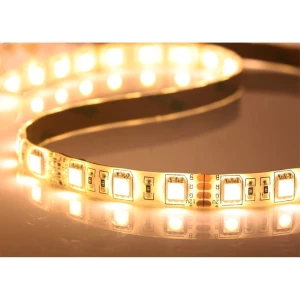
Tira led 12v blanco cálido 5 metros SMD5050 60LED/metro 14W para interior y exterior
3,63€
Solo quedan 3 en stock
 Conector Tipo T 3528 8mm 2 Pin para Tira LED RGB - Adaptador sin Soldadura
0,18 €