


8,71€
En stock
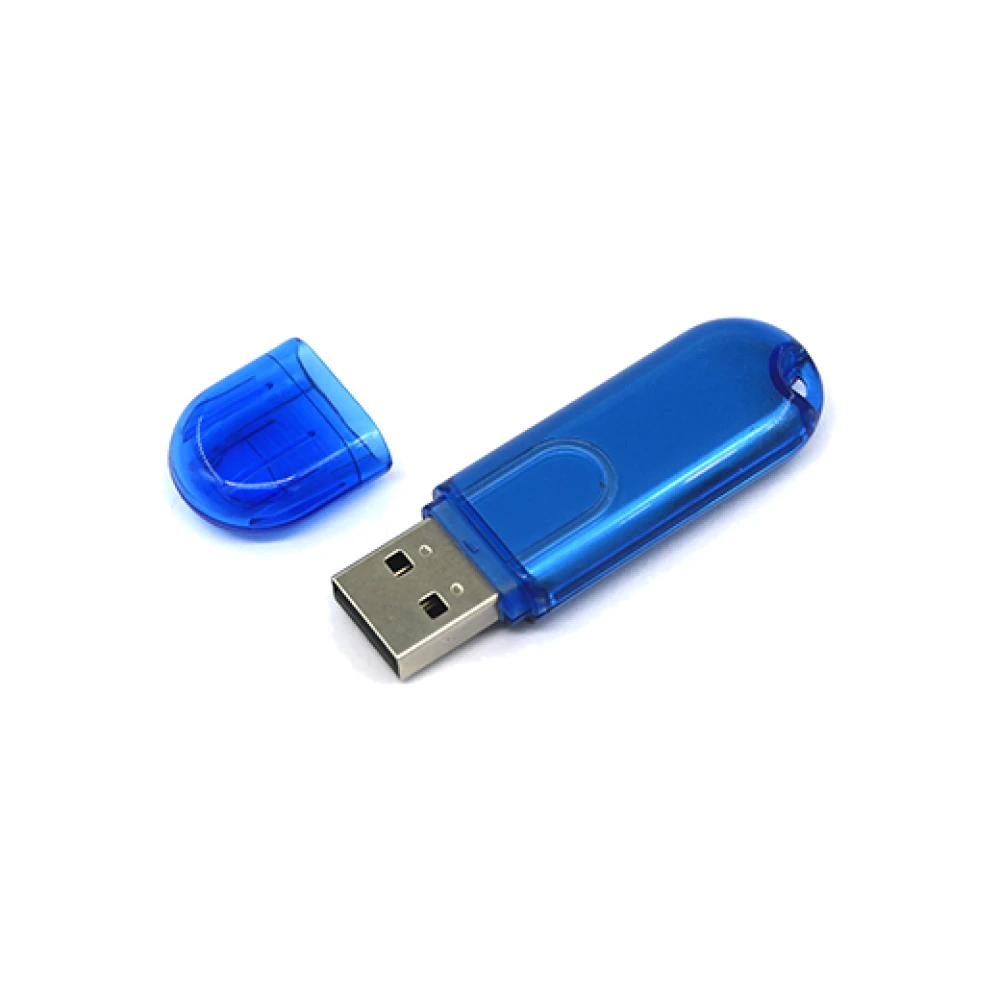
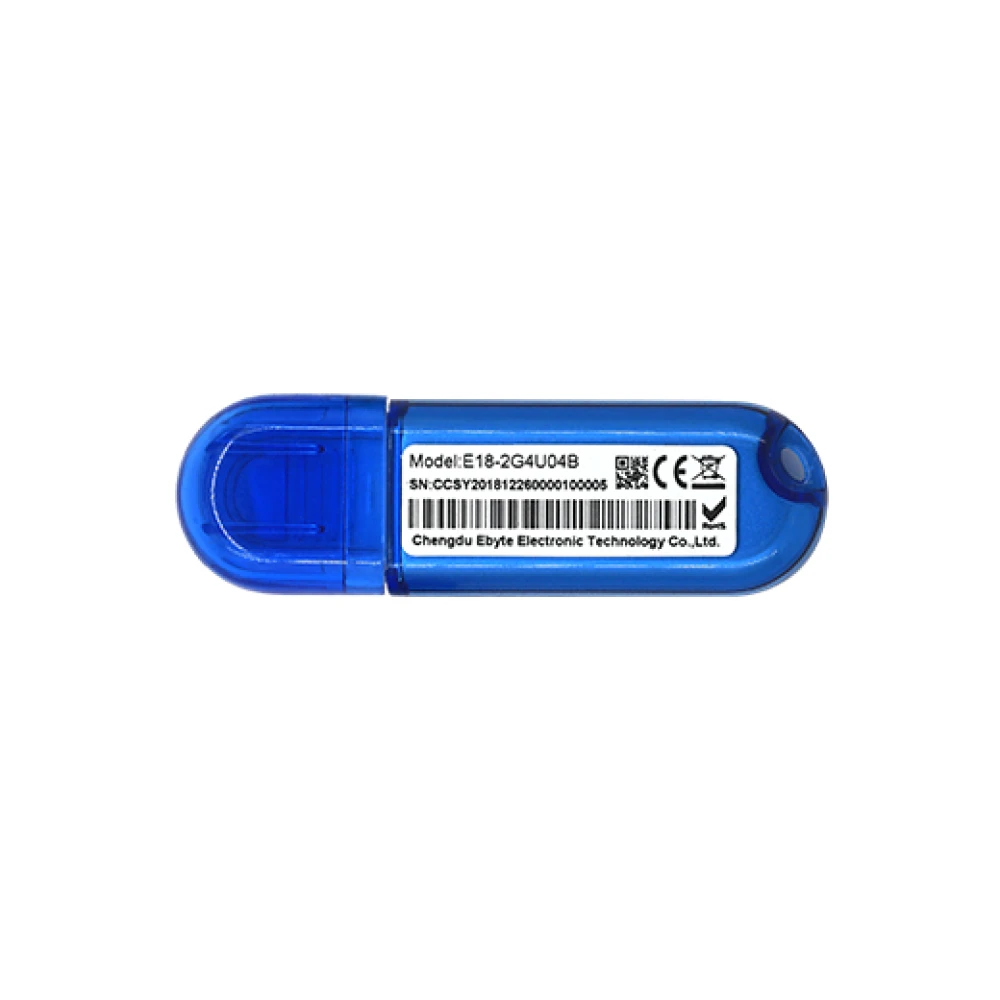
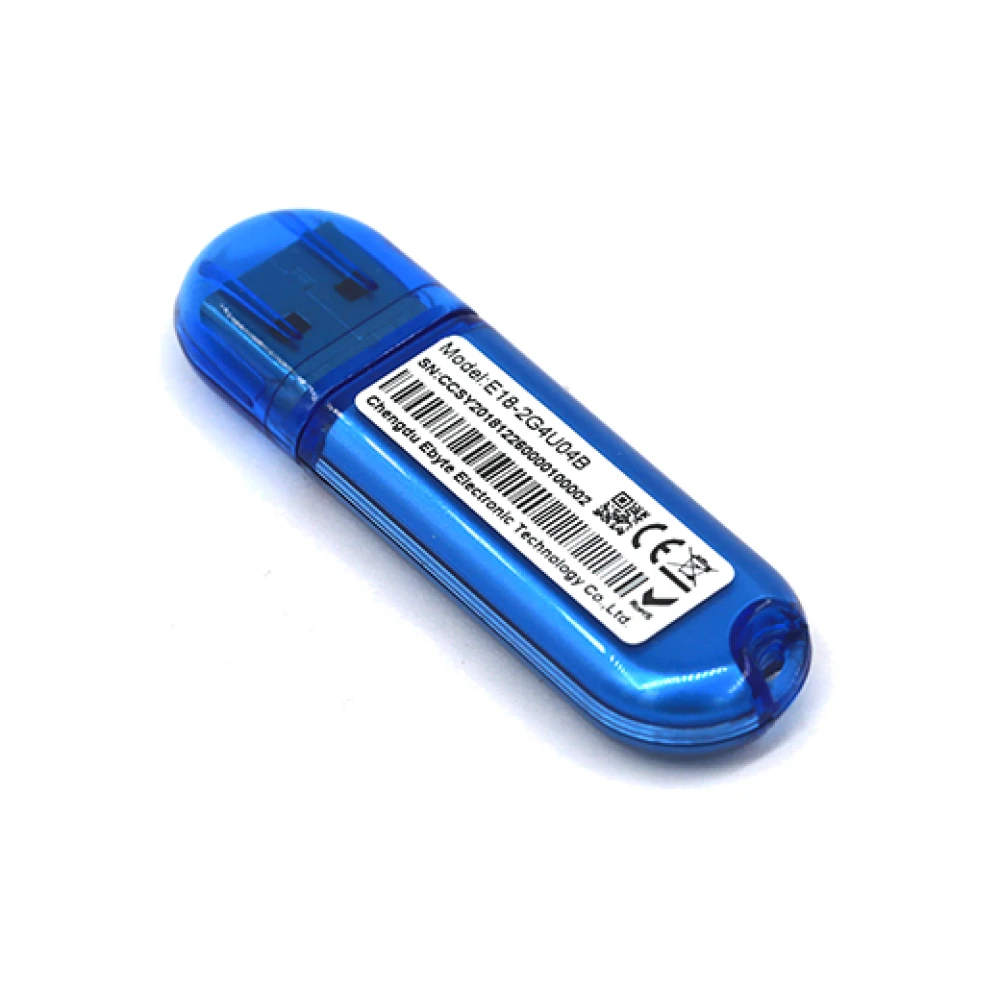

Adaptador USB Zigbee CC2531 para hogar inteligente - Sniffer de paquetes
Marca: satkit
8,71€
IVA incluido (Sin IVA: 7,20€)
Solo quedan 4 en stock. ¡Haz tu pedido pronto!
Entrega estándar
Mié, Abr 22 - Vie, Abr 24
Entrega exprés
Lun, Abr 20 - Mar, Abr 21
Devoluciones en 30 días
Devoluciones gratuitas en 30 días
Transacción segura






Share:
Envío gratis
En pedidos superiores a 60€
Devoluciones fáciles
Política de devolución de 30 días
Pago seguro
Proceso de pago 100% seguro
Garantía de calidad
Solo productos originales
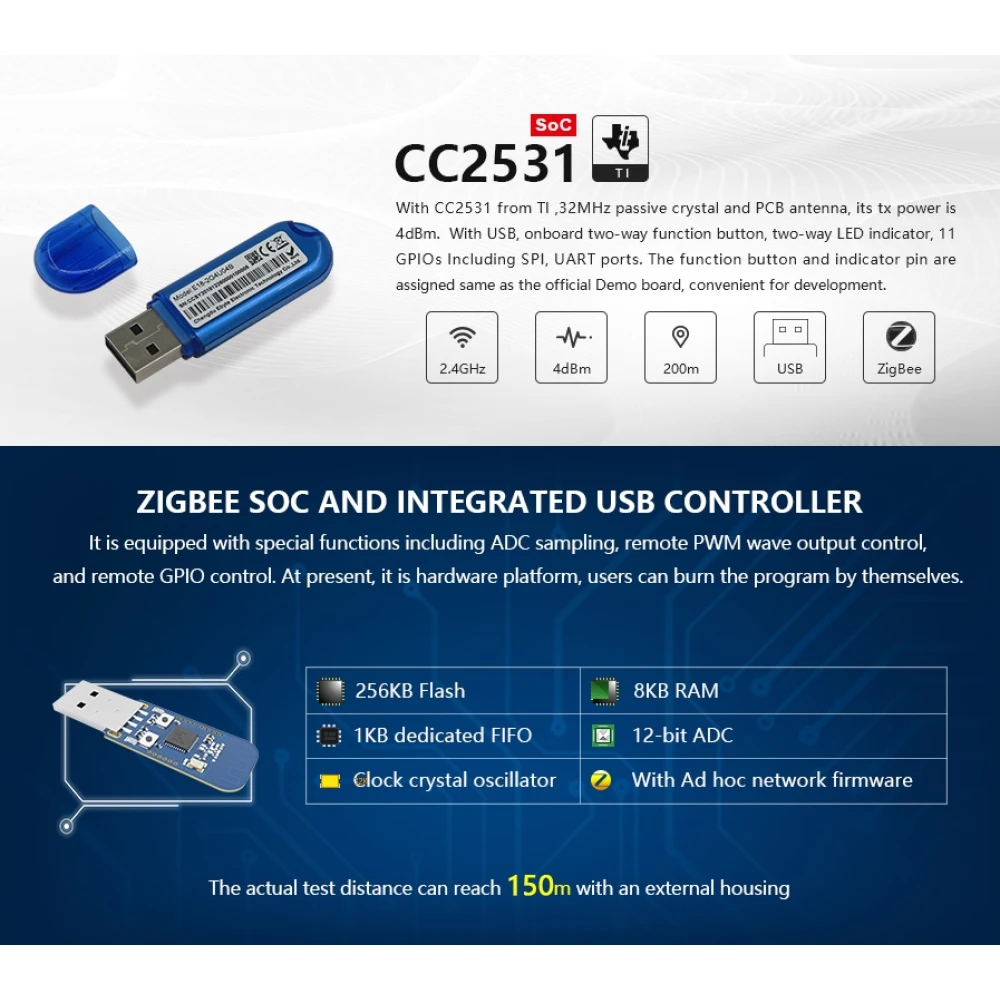
El adaptador USB Zigbee CC2531 es un dispositivo esencial para quienes buscan integrar y controlar dispositivos de domótica en el hogar inteligente. Este transceptor ZigBee / IEEE 802.15.4 incorpora una CPU 8051 y una interfaz USB en un solo chip, lo que lo hace compacto y eficiente.
Gracias a su puerto de programación, puede cargar firmware personalizado que transforma el dispositivo en un concentrador Zigbee, permitiendo reemplazar muchas puertas de enlace ZigBee patentadas. Esto facilita el control de diversos dispositivos como lámparas inteligentes, sensores de temperatura e interruptores, aumentando la compatibilidad y flexibilidad de tu sistema de automatización.
Este adaptador puede usarse directamente con adaptadores compatibles o conectarse a una Raspberry Pi (o Pi naranja, entre otros) para funcionar como una puerta de enlace remota ZigBee a MQTT. Esta configuración permite ubicar el dispositivo en el lugar óptimo para mejorar el alcance y la estabilidad de la red Zigbee.
Características principales
- Chip: CC2531 de Texas Instruments
- Frecuencia de operación: 2.394 a 2.507 GHz
- Protocolo: Zigbee / IEEE 802.15.4
- Distancia máxima: Hasta 1500 metros en exteriores
- Interfaz: USB para fácil conexión
- Integración: CPU 8051 incorporada y transceptor inalámbrico
- Amplificación: Incluye PA + LNA para mejorar alcance y estabilidad
- Funciones adicionales: Muestreo ADC, control remoto PWM y GPIO
Usos típicos
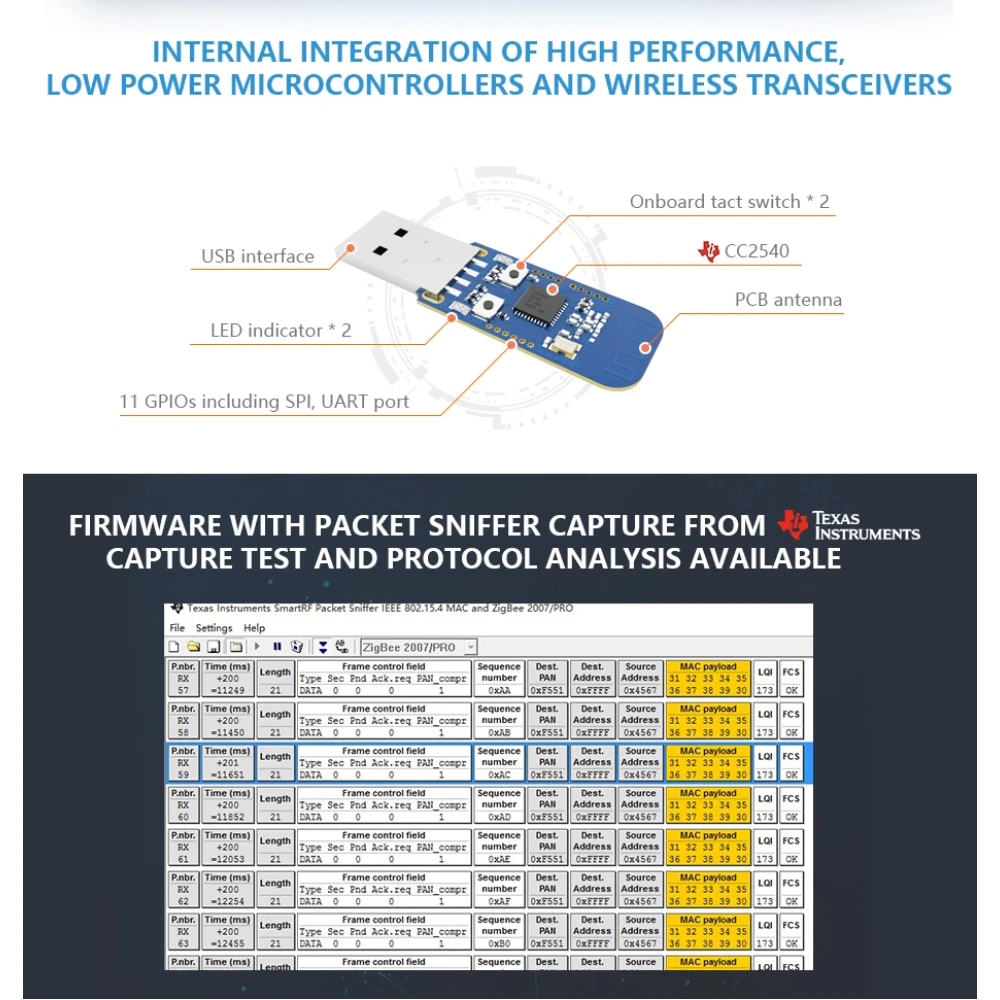
- Control y monitoreo de dispositivos Zigbee en sistemas de domótica
- Desarrollo y prueba de firmware personalizado para redes Zigbee
- Implementación de puertas de enlace Zigbee en Raspberry Pi para automatización avanzada
- Sniffer de paquetes para análisis y diagnóstico de redes Zigbee
Compatibilidad
Este adaptador es compatible con sistemas que soportan el protocolo Zigbee y puede integrarse con plataformas de automatización del hogar que permitan el uso de dispositivos USB o puertas de enlace basadas en Raspberry Pi. Es ideal para usuarios que desean personalizar su red Zigbee y mejorar la cobertura y el control de sus dispositivos conectados.
Contenido del paquete
- 1 x Adaptador USB Zigbee CC2531 (modelo E18-2G4U04B) con firmware preinstalado
- Transceptor ZigBee CC2531 con CPU 8051 integrada
- Frecuencia de operación de 2.394 a 2.507 GHz
- Protocolo Zigbee / IEEE 802.15.4 compatible
- Alcance máximo de hasta 1500 metros en exteriores
- Interfaz USB para conexión sencilla
- Incluye amplificación PA + LNA para mayor estabilidad
- Permite cargar firmware personalizado para funciones avanzadas
- Ideal para domótica y análisis de redes Zigbee
Preguntas y respuestas de clientes
Quin és el procediment recomanat per instal·lar i posar en marxa aquest sniffer Zigbee CC2531?
El procediment habitual consisteix a inserir l’adaptador USB al port d’un ordinador o microordinador (com Raspberry Pi). Si cal actualitzar el firmware, implica l’ús d’un programador CC debugger i un programari com 'Zadig' per instal·lar el driver USB adequat. Els passos inclouen flashejar el firmware apropiat (per exemple, Zigbee2MQTT o sniffer) i, en alguns casos, instal·lar dependències de programari al sistema amfitrió. El procés normalment requereix coneixements bàsics de programari i controladors, però no sol superar els 20 minuts. És recomanable consultar la documentació del firmware escollit abans de començar.
Quin abast realista de comunicació sense fil es pot esperar en interiors i quins factors l’afecten?
Tot i que l’abast màxim especificat és de fins a 1500 m a l’exterior en condicions ideals, en entorns interiors típics (parets, interferències Wi-Fi 2,4 GHz), el rang pràctic sol oscil·lar entre 10 i 30 metres. Factors com la presència d’obstacles, altres dispositius que operen a la banda de 2,4 GHz i la qualitat de l’alimentació elèctrica poden reduir l’abast efectiu. L’ús de routers Zigbee addicionals pot ampliar la cobertura de la xarxa.
Aquest dispositiu compleix alguna normativa d’emissions i seguretat elèctrica aplicable a la UE o Amèrica?
El CC2531 i els mòduls basats en el xip TI CC2531 solen complir les normes generals de compatibilitat electromagnètica (EMC) i freqüència (ETSI EN 300 328 per a Europa, FCC Part 15 per als EUA), però la certificació específica depèn de l’assemblador final o del distribuïdor. Aquest adaptador en particular no es lliura amb informe de conformitat CE ni FCC al consumidor, de manera que la responsabilitat del seu ús legal recau en l’usuari. No disposa d’aïllament galvànic, per la qual cosa només és apte per a ús en dispositius de baixa tensió USB sota supervisió.
What is the recommended procedure to install and get this CC2531 Zigbee sniffer up and running?
The usual procedure is to plug the USB adapter into a computer or single-board computer (such as Raspberry Pi). If a firmware update is required, this involves using a CC debugger programmer and software such as 'Zadig' to install the correct USB driver. The steps include flashing the appropriate firmware (for example, Zigbee2MQTT or sniffer firmware) and, in some cases, installing software dependencies on the host system. The process typically requires basic knowledge of software and drivers, but usually takes no more than 20 minutes. It is advisable to consult the documentation for the chosen firmware before starting.
What realistic wireless communication range can be expected indoors, and what factors affect it?
Although the maximum specified range is up to 1500 m outdoors under ideal conditions, in typical indoor environments (walls, 2.4 GHz Wi-Fi interference), the practical range is usually between 10 and 30 metres. Factors such as obstacles, other devices operating in the 2.4 GHz band and the quality of the power supply can reduce the effective range. Using additional Zigbee routers can extend network coverage.
Does this device comply with any applicable emissions and electrical safety regulations in the EU or the Americas?
The CC2531 and modules based on the TI CC2531 chip usually comply with general electromagnetic compatibility (EMC) and frequency standards (ETSI EN 300 328 for Europe, FCC Part 15 for the US), but specific certification depends on the final assembler or distributor. This adapter is not supplied to the consumer with a CE or FCC conformity report, so the user is responsible for lawful use. It has no galvanic isolation, so it is only suitable for use with low-voltage USB devices under supervision.
What is the recommended procedure for installing and setting up this CC2531 Zigbee sniffer?
The usual procedure is to insert the USB adapter into the port of a computer or microcomputer (such as a Raspberry Pi). If firmware updating is required, this involves using a CC debugger programmer and software such as 'Zadig' to install the correct USB driver. The steps include flashing the appropriate firmware (for example, Zigbee2MQTT or sniffer) and, in some cases, installing software dependencies on the host system. The process typically requires basic knowledge of software and drivers, but usually takes no more than 20 minutes. It is advisable to consult the documentation for the chosen firmware before starting.
What realistic wireless communication range can be expected indoors, and what factors affect it?
Although the maximum specified range is up to 1500 m outdoors under ideal conditions, in typical indoor environments (walls, 2.4 GHz Wi-Fi interference), the practical range is usually between 10 and 30 metres. Factors such as obstacles, other devices operating in the 2.4 GHz band and the quality of the power supply can reduce the effective range. Using additional Zigbee routers can extend network coverage.
Does this device comply with any applicable emissions and electrical safety regulations in the EU or the Americas?
The CC2531 and modules based on the TI CC2531 chip usually comply with general electromagnetic compatibility (EMC) and frequency standards (ETSI EN 300 328 for Europe, FCC Part 15 for the US), but specific certification depends on the final assembler or distributor. This adapter in particular is not supplied to the consumer with a CE or FCC conformity report, so responsibility for lawful use lies with the user. It does not have galvanic isolation, so it is only suitable for use with low-voltage USB devices under supervision.
Vilket rekommenderat förfarande finns för att installera och komma igång med denna CC2531 Zigbee-sniffer?
Det vanliga förfarandet är att sätta in USB-adaptern i porten på en dator eller mikrodator (som Raspberry Pi). Om firmwareuppdatering krävs innebär det användning av en CC debugger och programvara som 'Zadig' för att installera rätt USB-drivrutin. Stegen inkluderar att flasha lämplig firmware (till exempel Zigbee2MQTT eller sniffer) och i vissa fall installera programvaruberoenden på värdsystemet. Processen kräver vanligtvis grundläggande kunskap om programvara och drivrutiner, men tar normalt inte mer än 20 minuter. Det rekommenderas att läsa dokumentationen för den valda firmwaren innan du börjar.
Escribe una opinión de cliente
Los clientes que compraron este artículo también compraron
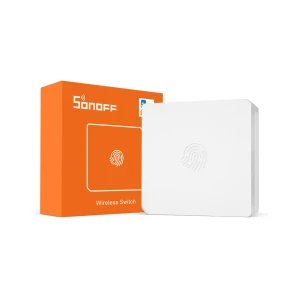
SONOFF ZigBee Interruptor Inalámbrico SNZB-01 con Control por Pulsación Simple, Doble y Larga
7,99€
Solo quedan 3 en stock
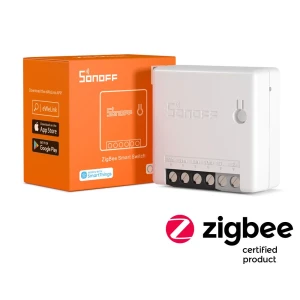
SONOFF ZBMINI ZigBee Interruptor Inteligente Mini para Control de Luz 2 Vías
9,68€
Solo quedan 5 en stock
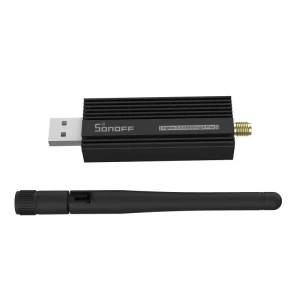
SONOFF ZBDongle-P Gateway Zigbee 3.0 USB Plus con antena para Home Assistant y Open HAB
22,99€
Solo quedan 3 en stock
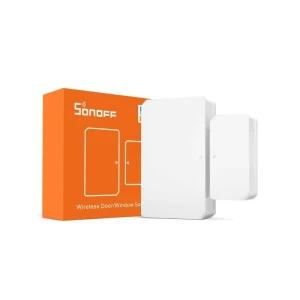
SONOFF SNZB-04 - Sensor de apertura puerta ZigBee inalámbrico para domótica
8,40€
Solo quedan 3 en stock
Tus artículos vistos recientemente
Adaptador USB Zigbee CC2531 para hogar inteligente - Sniffer de paquetes
8,71€