



1,21 €
En stock
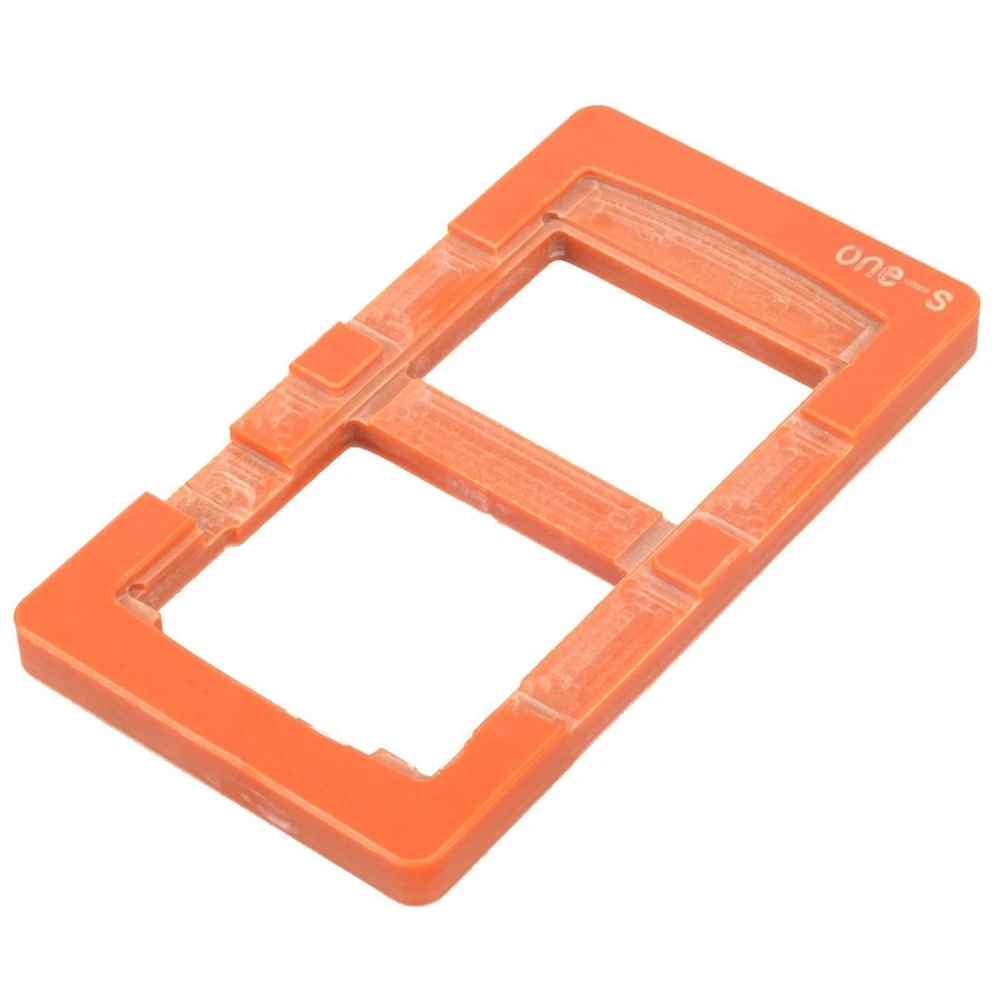
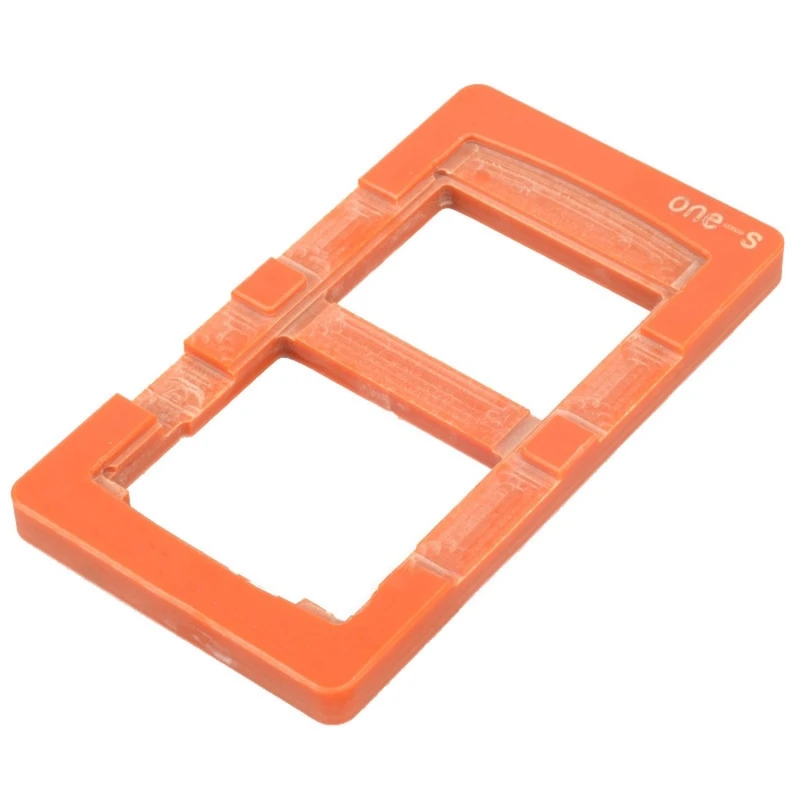
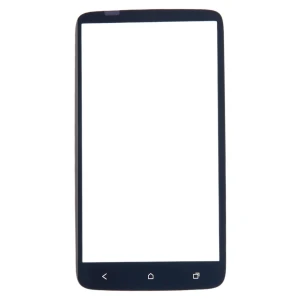
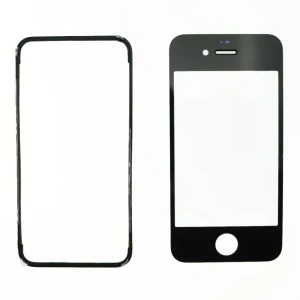
Molde reparación y encolado LCD Samsung HTC One S para reparación precisa
Marca: Mlink
1,21€
IVA incluido (Sin IVA: 1,00 €)
Descuentos por volumen
| Cantidad | Precio | Guardar |
|---|---|---|
| 2+ | 5,81 € | |
| 10+ | 5,51 € | |
| 20+ | 4,84 € |
Stock limitado
Entrega estándar
Jue, Sep 24 - Lun, Sep 28
Entrega exprés
Mar, Sep 22 - Mié, Sep 23
Devoluciones en 30 días
Devoluciones gratuitas en 30 días
Transacción segura


Share:
Envío gratis
En pedidos superiores a 60€
Devoluciones fáciles
Política de devolución de 30 días
Pago seguro
Proceso de pago 100% seguro
Garantía de calidad
Solo productos originales
El Molde reparación y encolado LCD Samsung HTC One S es una herramienta especializada diseñada para facilitar la correcta colocación y encolado del cristal en pantallas LCD de los dispositivos Samsung HTC One S. Fabricado por la marca Mlink, este molde es imprescindible para técnicos y profesionales que buscan precisión y calidad en la reparación de pantallas.
Características principales:
- Diseñado específicamente para pantallas Samsung HTC One S, garantizando un ajuste perfecto.
- Permite el encolado con LOCA glue (Liquid Optical Clear Adhesive), asegurando una adhesión óptima y sin burbujas.
- Facilita la alineación exacta del cristal sobre la pantalla LCD, evitando daños y errores comunes durante la reparación.
- Material resistente y duradero que soporta múltiples usos.
Especificaciones y compatibilidad:
- Compatible exclusivamente con pantallas LCD Samsung HTC One S.
- Ideal para uso profesional en talleres de reparación de móviles y centros de servicio técnico.
Usos típicos:
- Reparación de pantallas LCD dañadas o con cristal roto en Samsung HTC One S.
- Proceso de encolado con LOCA glue para garantizar la transparencia y funcionalidad táctil de la pantalla.
- Mantenimiento y restauración de pantallas para prolongar la vida útil del dispositivo.
Compatibilidad y accesorios relacionados:
- Compatible con accesorios de reparación para Samsung y HTC One S.
- Se recomienda usar junto con kits de reparación LCD y herramientas de limpieza para obtener mejores resultados.
Este molde es una solución eficaz para técnicos que buscan mejorar la calidad y eficiencia en la reparación de pantallas LCD Samsung HTC One S, asegurando un acabado profesional y duradero.
- Molde específico para pantallas Samsung HTC One S
- Permite encolado preciso con LOCA glue
- Asegura alineación perfecta del cristal LCD
- Material resistente para múltiples usos
- Ideal para reparaciones profesionales y mantenimiento
Preguntas y respuestas de clientes
¿Cuáles son los materiales de fabricación y cuáles son las dimensiones del molde?
El molde suele estar fabricado en aleación de aluminio mecanizado para ofrecer estabilidad y precisión durante el encolado del LCD. Las dimensiones aproximadas son 140 mm × 75 mm × 8 mm, con una tolerancia de ±0,2 mm en el área de inserción. Este material resiste bien el contacto con adhesivos líquidos y proporciona una larga vida útil bajo uso moderado.
¿Requiere herramientas adicionales o algún tipo de preparación especial antes de usar el molde?
Sí, para el uso adecuado del molde se recomienda contar con adhesivo LOCA UV, lámpara UV para curado, y herramientas de precisión como espátulas antiestáticas. El proceso requiere limpiar el área del LCD y el molde antes de cada uso para evitar residuos que puedan afectar el pegado.
¿Qué tan resistente es el molde ante productos químicos y cambios de temperatura durante el proceso de reparación?
El molde de aluminio es resistente a la mayoría de los solventes de limpieza usados en reparación de pantallas y tolera temperaturas hasta 100°C sin deformación apreciable. Sin embargo, exposición prolongada a ácidos fuertes puede afectar su acabado superficial. Se recomienda evitar golpes directos que puedan desalinear su estructura mecanizada.
¿Cuál es la principal diferencia entre este tipo de molde y los métodos manuales de alineación del LCD?
El uso del molde proporciona una alineación precisa, reduciendo el margen de error humano respecto a la posición del cristal y minimizando burbujas o adhesivo desplazado. A diferencia de los métodos manuales, asegura repetibilidad y acorta tiempos de trabajo, especialmente en reparaciones múltiples; sin embargo, limita el uso a modelos estrictamente compatibles por sus dimensiones fijas.
¿Para qué sirve el molde reparación y encolado LCD Samsung HTC One S?
Sirve para facilitar la colocación y encolado del cristal en pantallas LCD Samsung HTC One S con adhesivo LOCA, asegurando una reparación precisa y sin errores.
¿Es compatible este molde con otros modelos de Samsung o HTC?
No, este molde está diseñado exclusivamente para pantallas Samsung HTC One S y no es compatible con otros modelos.
¿Qué tipo de adhesivo se utiliza con este molde?
Se utiliza LOCA glue (Liquid Optical Clear Adhesive) para un encolado óptimo y transparente.
¿Puedo usar este molde para reparaciones caseras?
Sí, pero está especialmente recomendado para uso profesional o técnico para obtener mejores resultados.
¿Incluye el molde instrucciones de uso?
El producto no incluye instrucciones específicas, pero se recomienda seguir procedimientos estándar para encolado con LOCA glue y manipulación de pantallas LCD.
Escribe una opinión de cliente
Los clientes que compraron este artículo también compraron

Tus artículos vistos recientemente
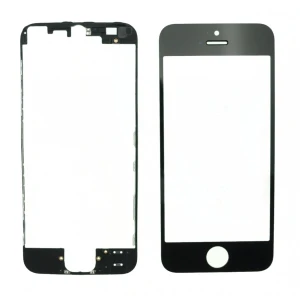
 Molde reparación y encolado LCD Samsung HTC One S para reparación precisa
1,21 €