


24,21 €
En stock
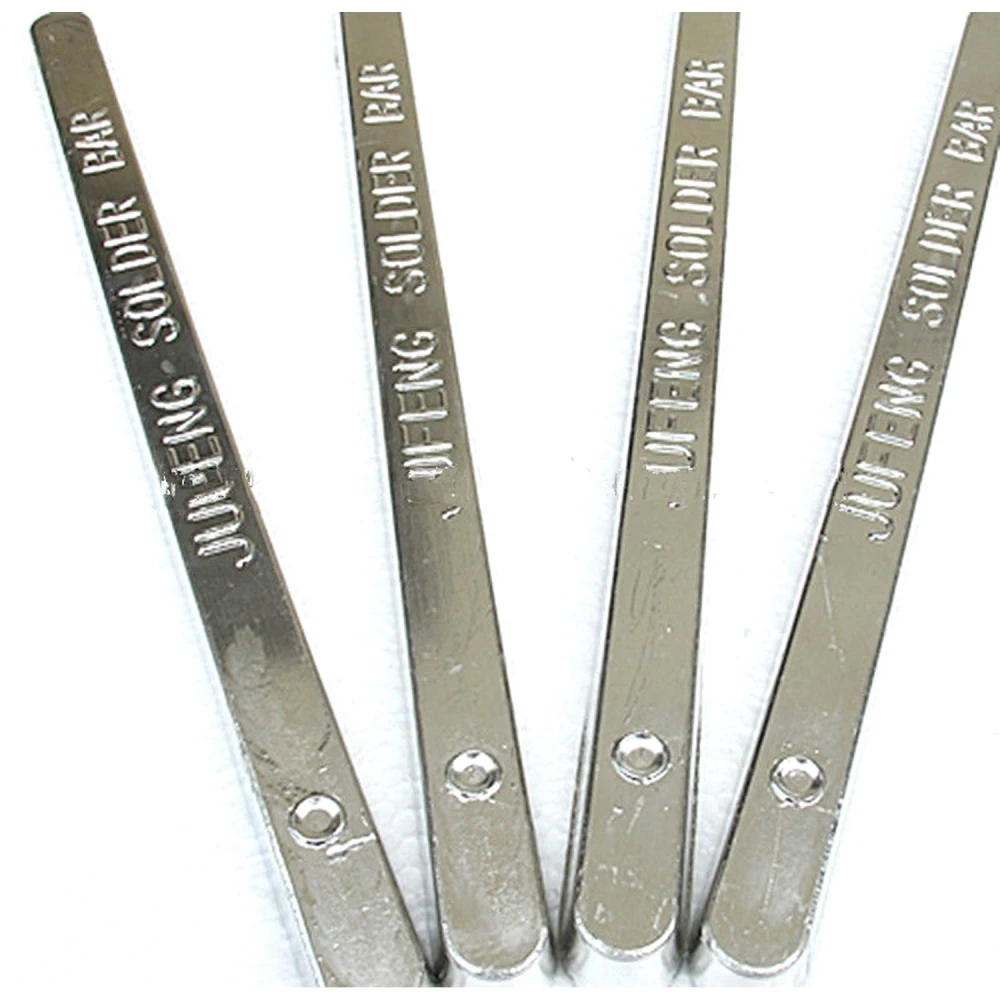
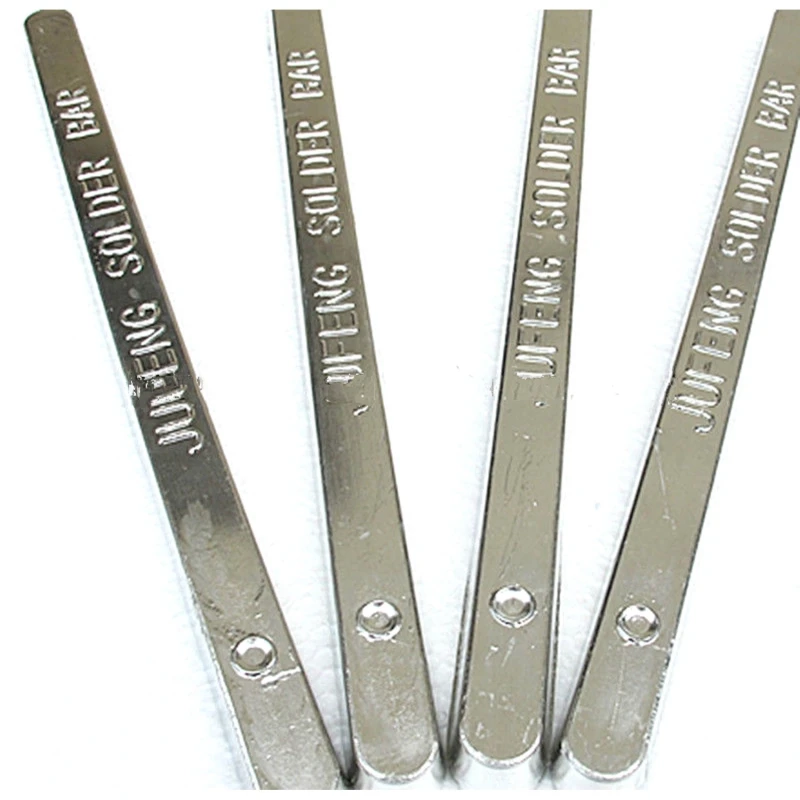
Barra estaño con plomo 500 gr para soldadura profesional Mlink
Marca: Mlink
24,21€
IVA incluido (Sin IVA: 20,01 €)
Stock limitado
Entrega estándar
Vie, Oct 30 - Mar, Nov 3
Entrega exprés
Mié, Oct 28 - Jue, Oct 29
Devoluciones en 30 días
Devoluciones gratuitas en 30 días
Transacción segura


Share:
Envío gratis
En pedidos superiores a 60€
Devoluciones fáciles
Política de devolución de 30 días
Pago seguro
Proceso de pago 100% seguro
Garantía de calidad
Solo productos originales
Barra estaño con plomo 500 gr de la marca Mlink, diseñada para aplicaciones de soldadura profesional y hobby. Esta barra es válida para su uso en crisoles y solder pots, facilitando un trabajo eficiente y uniforme.
Características principales:
- Composición: 63% estaño (Sn) y 37% plomo (Pb), una mezcla estándar para soldadura con buena fluidez y adherencia.
- Dimensiones aproximadas: 29 cm de largo, 2 cm de ancho y 1 cm de grosor, proporcionando un manejo cómodo y práctico.
- Peso: 500 gramos, ideal para proyectos de soldadura medianos y grandes.
Usos típicos:
- Soldadura electrónica y eléctrica.
- Reparación de componentes y circuitos.
- Aplicaciones en bricolaje y mantenimiento industrial.
Compatibilidad: Compatible con estaciones de soldadura y herramientas para soldar que utilizan estaño con plomo. Perfecto para profesionales y aficionados que requieren un material confiable y de calidad.
Esta barra de estaño con plomo es una opción excelente para quienes buscan un producto duradero y eficiente para sus trabajos de soldadura. Su composición y tamaño aseguran resultados óptimos en cada uso.
- Composición 63% estaño y 37% plomo para soldadura eficiente
- Peso de 500 gramos ideal para múltiples aplicaciones
- Dimensiones aproximadas: 29cm x 2cm x 1cm para fácil manejo
- Compatible con crisoles y solder pots
- Marca Mlink reconocida en herramientas de soldadura
Preguntas y respuestas de clientes
¿Cuál es la principal ventaja de la barra de estaño 63/37 respecto a aleaciones alternativas en soldadura electrónica?
La aleación 63% estaño y 37% plomo (Eutéctica) tiene punto de fusión bajo (183 °C) y transiciona directamente de sólido a líquido, lo que permite soldaduras uniformes con menor riesgo de soldaduras frías comparado con otras proporciones como 60/40 o libres de plomo.
¿Qué consideraciones de seguridad se deben tener al manipular esta barra de estaño con plomo?
El plomo es tóxico; se debe evitar la inhalación de vapores y el contacto prolongado con la piel. Usar guantes, ventilación adecuada y lavarse las manos después. Cumple con normativas generales, pero no con RoHS (restrictiva de plomo).
¿Cuáles son las alternativas sin plomo más usadas y cómo se compara su desempeño con esta barra 63/37?
Las aleaciones sin plomo como Sn96.5/Ag3.0/Cu0.5 tienen puntos de fusión más altos (~217 °C) y suelen producir soldaduras menos brillantes y ligeramente menos dúctiles. Esta barra 63/37 se prefiere por facilidad de uso y acabado, aunque no es apta para aplicaciones RoHS.
¿Para qué se utiliza la barra estaño con plomo 500 gr?
Se utiliza principalmente para soldadura en crisoles y solder pots, ideal para trabajos electrónicos y de reparación.
¿Cuál es la composición de esta barra de estaño?
La barra está compuesta por 63% estaño y 37% plomo.
¿Es compatible con estaciones de soldadura comunes?
Sí, es compatible con la mayoría de estaciones de soldadura y herramientas que usan estaño con plomo.
¿Cuál es el peso y tamaño de la barra?
La barra pesa 500 gramos y mide aproximadamente 29 cm de largo, 2 cm de ancho y 1 cm de grosor.
Escribe una opinión de cliente
Los clientes que compraron este artículo también compraron
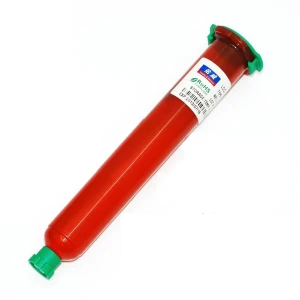
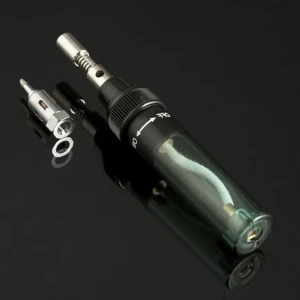
Soldador a gas con puntas intercambiables Mlink, portátil y recargable
10,89€
Solo quedan 9 en stock
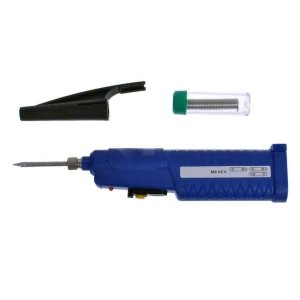
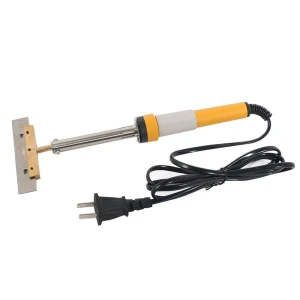
Soldador 40w limpieza pantalla lcd con punta y cuchillas para reparación
12,10€
Solo quedan 9 en stock
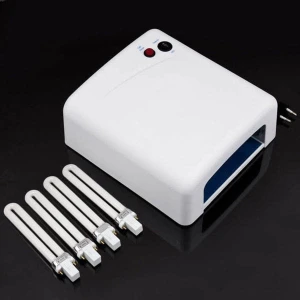
Secador ultravioleta 36w para cola UV y gel - satkit, secado profesional
15,73€
Solo quedan 9 en stock
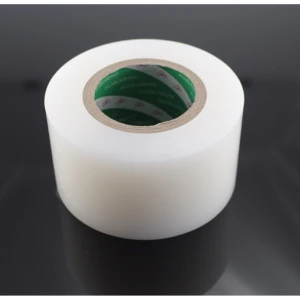
Rollo de cinta limpiadora de pantallas 8cm x 150m PE transparente satkit
6,05€
Solo quedan 7 en stock
Barra estaño con plomo 500 gr para soldadura profesional Mlink
24,21 €